Learn how to create a seamless beginning for your crochet projects using the adjustable ring technique, ensuring no pesky holes in the center of your work.
Ever tried wrestling with yarn and a crochet hook only to produce a yarn salad instead of a masterpiece? Enter the adjustable ring, the magical trick up every crocheter’s sleeve! This guide dives into the world of yarn and hooks, untangling every twist and turn to deftly create that elusive initial loop, keep things adjustable, and smoothly crochet into the ring. We’ll cover everything, even the blunders, because who hasn’t secured their yarn tail only to have it unravel mid-glory? Perfect for pretty patterns, the adjustable ring is the secret sauce to starting projects like a pro. Abandon yarn chaos; embrace mastery!
Key takeaways:
- Create a seamless center using adjustable rings.
- Choose the right yarn weight and hook size.
- Form a slip knot and initial yarn loop.
- Adjust ring size by tugging the yarn tail.
- Use for hats, amigurumi, and circular projects.
Choosing the Right Yarn and Hook
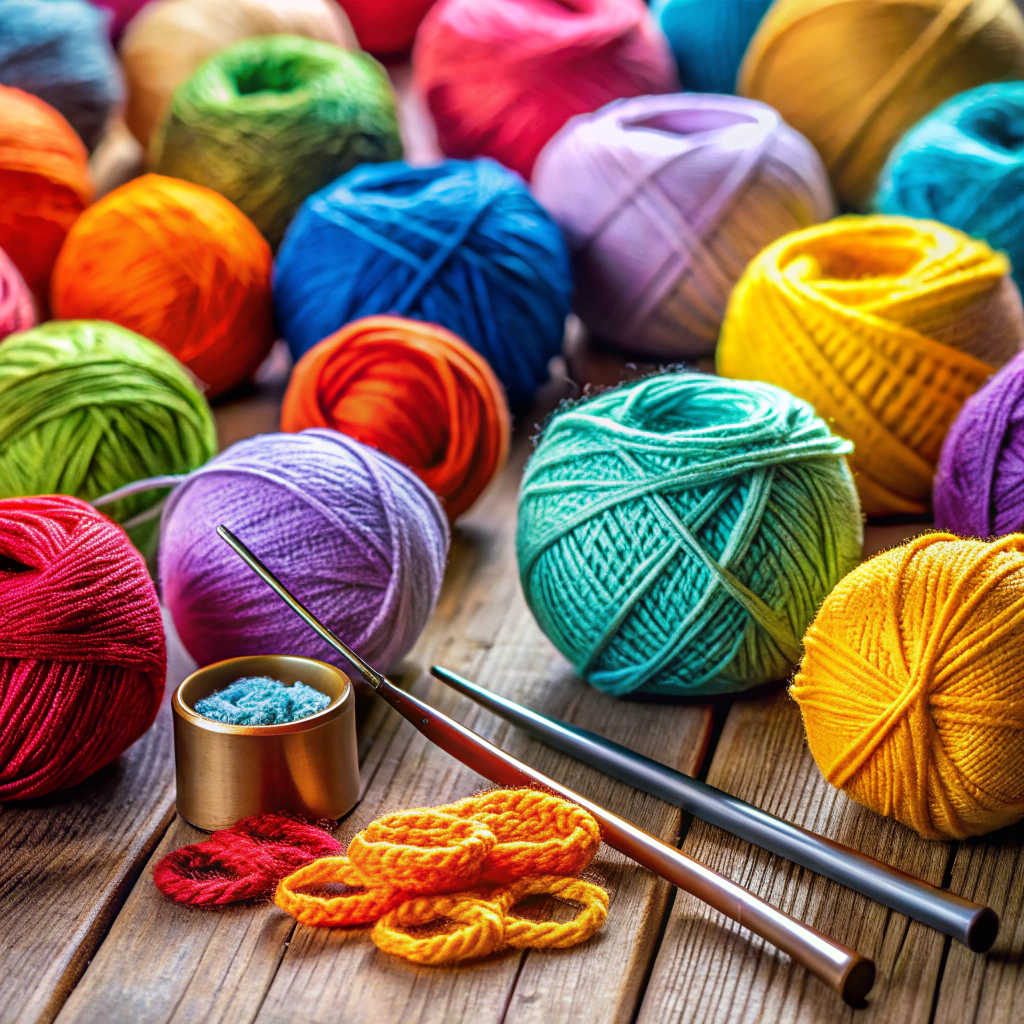
Choosing the best yarn and hook can feel like hunting for the perfect avocado—just enough squish without the mush!
First things first, yarn weight matters. Opt for a medium-weight yarn like DK or worsted to practice your adjustable ring maneuvers. Too light, and it’s like crocheting with angel hair pasta; too heavy, and you’re wrestling an anaconda.
Hook size isn’t just a number—it’s a lifestyle choice. Pair your hook size with your yarn weight, as recommended on the yarn label. A match made in crafty heaven! Too small a hook and your ring’s tighter than a drum; too large, and you’re left with a hole big enough to drive through.
Experiment! You’re not locked into hook and yarn choices like a lifelong relationship. Mix and match until things feel just right. Keep trying until that adjustable ring is as perfect as the first sip of morning coffee.
Creating a Slip Knot and Placing It On the Hook
Grab your yarn like it’s a lifeline, which let’s face it, sometimes it is. Leave a manageable tail, because tails with attitude are a no-go. Loop the yarn around your fingers like you’re preparing for a yarn rodeo.
Pretend you’re lassoing a tiny cow and cross the yarn strand over itself. Now you’ve got an X marks the spot. Slide the hook under the first thread, give that second thread a quick ‘how do you do’ by pulling it through, and voilà — a slip knot.
Hold onto your knot like it’s the last piece of chocolate. Gently pull both ends of the yarn to tighten the knot on the hook, without squeezing the life out of it. It’s snug, but still ready to mingle. The hook and the knot are now best friends, going on adventures together. Ready for the next step? Yeehaw!
Forming the Initial Loop for the Adjustable Ring
Start with the yarn tail. Let it dangle about 6 inches—enough to do the tango, but not so much it forms a conga line behind you.
Hold the yarn between your thumb and middle finger, then drape it over your index finger. Think of it as the yarn’s debutante ball.
Wrap the yarn over your index finger again, creating a loose loop. Your index finger is having a splendid time being the ringmaster.
With the hook, slip under the first strand of yarn and grab the second. It’s like playing yarn peekaboo.
Pull the second strand through and give the loop a gentle tug. Voilà! You’ve crafted the magic loop, ready for crochet enchantment.
Securing the Ring While Maintaining Adjustability
Keep your cool, because here’s where the magic happens. Balancing the tightrope between a secure grip and maintainable flexibility is key.
Hold the yarn with gentle, yet firm fingers. You’re not trying to strangle the yarn here, just keep it under control. Think of yourself as a traffic cop, not a strict librarian.
Loop the yarn around your fingers, aiming for a snug yet relaxed circle—the Goldilocks of tension. Not too tight, not too loose.
As you crochet into the ring, keep an eye on that original loop. It’s the secret ingredient in this yarny conundrum. It’s the “I’m here, if you need support” guy in a rom-com. Make sure it’s always present, like that friend at a party who’s polite enough to laugh at all your jokes.
Practice makes confidence. As you get the hang of it, you’ll start to feel the sweet spot where the yarn is secure but still ready and willing to hug all your future stitches.
Crocheting the First Row Into the Ring
Now that you’ve got your cunning little loop ready, it’s time to dig in with your crochet hook. Here’s the good stuff:
Start by inserting your hook into the center of that adjustable marvel. Don’t panic if it looks like a tiny noose—it’s supposed to.
Grab your yarn and pull it through the loop. You’ve caught your first stitch. Congratulations, you’re now officially an enabler of fiber chaos!
Work the desired number of stitches into the center of the ring. These could be single crochet, double crochet, or whatever your heart desires and the pattern demands. Just remember—they all have an angle on this yarny dance floor.
Keep an eye on your tension. Too tight and the stitches might start a rebellion. Too loose and, well, they might throw a wild party and invite knots.
Once you’ve stitched to your heart’s content, give that tail a gentle tug. Watch the magic as the loop cinches together, smoothing into a perfect circle.
Voilà! You’ve conquered the first row and can now saunter on to the next stage with all the swagger of a yarn wizard.
Adjusting the Ring Size As Needed
Greater than expected size? No problem! Adjusting on the fly is your secret weapon. Gently pull the tail end of the yarn with the finesse of a yarn whisperer. Voila! Your ring tightens like magic. Feeling squeezed? Loosen by tugging on the loop at the opposite end.
Remember, tension is key. Find a balance that’s not too tight or loosey-goosey. Like Goldilocks and her porridge, but with yarn. Enjoy the satisfying feeling of control. Make circles to fit whatever your heart desires! With practice, your instinctual yarn wrangling will improve. So, whip that adjustable ring into shape and be the boss of your stitches.
Tightening the Ring and Securing the Tail End
So, you’ve got your ring in place and the first row crocheted into it; now it’s time for the grand finale! The ring needs a little snugging up and securing the tail is key to keeping things tidy.
Gently pull on the tail end of the yarn. This will tighten the loop, bringing your stitches together like an awesome close-knit family. Don’t tug like you’re starting a lawnmower—just a gentle pull will do.
Once you’ve got the ring all neat and tight, it’s time for the tail end’s curtain call. Weave it into the stitches using a tapestry needle. Think of this as sending the tail end on a stealth mission; it should blend in smoothly with its stitched surroundings.
Double-check the ring to make sure it’s secure. Give it a little “is everything all right?” wiggle just for peace of mind.
And voila! You’ve tightened the ring and stitched your way to securing success.
Common Mistakes and How to Fix Them
Oh no, the dreaded oversized ring! One common hiccup is making a ring too loose. To fix this, simply give that tail end a gentle but firm tug to cinch it smoothly. It’s like tightening your belt after a big Thanksgiving meal—except this won’t leave you with buyer’s remorse.
Another popular pitfall is the disappearing act—where the magic ring goes Houdini and vanishes. This usually happens if you lose grip mid-stitch. Keep a steady hold as if your yarn is a rebellious toddler trying to escape bath time.
And then there’s the yarn slippage, akin to a slippery banana peel. Fancy footwork isn’t needed; just ensure the slip knot is tight and secure when starting.
Ultimately, practice makes perfect, and everyone trips over their own yarn sometimes. Keep calm, untangle gently, and try again.
Applications and Patterns Utilizing the Adjustable Ring
Need a cozy hat that really fits snugly? An adjustable ring is your secret weapon. From cute beanies to fairytale amigurumi creatures, that adjustable ring struts its stuff as a key player.
Here’s the scoop:
- Amigurumi Creations: Those charming little crochet animals start round, and the adjustable ring ensures that there’s no gaping hole at the center of their tiny heads.
- Hats and Beanies: These head-hugging wonders often start at the crown. The adjustable ring lets you control the initial opening, making for a perfect fit on even the most persnickety of heads.
- Circular Rugs and Coasters: Whether it’s for a cozy feet treat or a grand cup holder, start with an adjustable ring to keep things tight. Nobody likes a rug with a donut hole in the center—stick to jelly-filled.
- Bags with Flair: From clutch purses to roomy totes, starting with an adjustable ring can give you a chic, seamless bag that looks knit-picky perfect.
By using an adjustable ring, you ensure your projects come together with more finesse, avoiding the dreaded donut disaster-look. So grab that hook and crochet on!
Tips for Practicing and Mastering the Technique
Remember, practice makes perfect, or at least a well-adjusted ring. Here’s how to get there without pulling your hair out.
First up, slow and steady wins the race. There’s no timer ticking down when you’re getting the hang of it, so take your time to form and adjust the ring until you’re comfortable.
Use scrap yarn for initial practice. Save your fancy yarn for later; no need to get tangled in costly stuff right away.
Try different hook sizes to see what feels best. Smaller hooks make tighter rings; larger hooks may loosen it up. It’s like Goldilocks’ porridge but with yarn.
Watch your tension like a hawk but a friendly one. Keep it consistent to avoid loops going on a loop-de-loop.
Rinse and repeat. Well, maybe not rinse unless practicing with spaghetti. But do practice repeatedly to build muscle memory.
There you go, tips that keep your fingers nimble and your rings adjustable!
Related Posts
 Easy Crochet Gnome Pattern Free: Transform Yarn into Whimsical Friends
 Crochet Star Blanket: A Stellar DIY Guide
 How to Crochet Slippers for Beginners Step by Step with Pictures: Cozy Feet Awaits
 How to Crochet Without a Hook: Hands-On Creativity
 Crochet Halter Top Pattern: Create a Stylish Summer Wardrobe Essential